
"coffee beans per tree"
5000 article(s) found

Fresh Hawaiian Kona Coffee Flavor and Taste introduction to Hawaiian Coffee
Hawaii's coffee industry has to compete with the expanding tourism industry. Most coffee is grown on the slopes of MaunaLoa. Mauna Loa was originally a volcano located in the western part of the Kona region on the island of Hawaii. The coffee producing area is about 30 kilometers long and its growing areas are mainly concentrated in the north and south of the area. Coffee trees are planted in relatively desolate areas, but they

Coffee exports from Honduras fell 18 per cent in January 2021 Central American coffee exports are forecast to fall by 10.7 per cent
Professional coffee knowledge exchange more coffee bean information please pay attention to the coffee workshop (Wechat official account cafe_style) the Honduran National Institute (IHCAFE) last year originally expected Honduran coffee export volume of 6.3 million bags (60 kg / bag) in 2020 Universe 21. But in November 2020, Hurricanes ETA and LOTA both hit, causing damage to coffee trees in Honduras, while also

Gentle and gentle Tarazhu boutique coffee beans in Costa Rica, geographical location, climate, altitude
Excellent Costa Rican coffee is called extra hard beans, and this kind of coffee can grow at an altitude of more than 1500 meters. Altitude has always been a problem for coffee growers. The higher the altitude, the better the coffee beans, not only because the higher altitude can increase the acidity of the coffee beans and thus increase the flavor, but also because the night temperature at the higher altitude is lower, which can make the trees grow slowly.

Introduction to the taste description of Costa Rican coffee beans
In 1729, coffee was introduced to Costa Rica from Cuba. Today, its coffee industry is one of the well-organized industries in the world, with an output of 1700 kilograms per hectare. Costa Rica has only 3.5 million people but 400m coffee trees, and coffee exports account for 25 per cent of the country's total exports.

53 coffee producing areas in the world
One. Costa Rican coffee is full of particles, ideal acidity and unique aroma. Tarrazu in Costa Rica is one of the main coffee producing areas in the world. The coffee produced is light and pure in flavor and pleasant in aroma. Costa Rica's volcanic soils are fertile and well drained, making it the first country in Central America to grow coffee and bananas for commercial value. Coffee and Fragrance

Characteristics of Coffee Origin in Guatemala
Coffee production in Guatemala has declined relatively, at 700kg per hectare, while that in El Salvador is 900kg per hectare and that in Costa Rica is even more astonishing, at 1700 kg per hectare. The export of dangerous Dimara coffee is controlled by private companies, but the National Coffee Council (Asociacion Nacional de Cafe) controls the coffee industry.

A brief introduction to the Calibration of Coffee Bean Flavor description treatment in Yerzaro, Costa Rica
Coffee was introduced into Costa Rica from Cuba in 1729. Today, its coffee industry is one of the well-organized industries in the world, with a yield of 1700 kg per hectare. Costa Rica has only 3.5 million people but 400m coffee trees, and coffee exports account for 25 per cent of the country's total exports. The volcanic soil of Costa Rica is very fertile and well drained, especially in the central part.

Full-scented Costa Rican Tarazhu Coffee Flavor description Variety characteristics introduction
Coffee was introduced into Costa Rica from Cuba in 1729. Today, its coffee industry is one of the well-organized industries in the world, with a yield of 1700 kg per hectare. Costa Rica has only 3.5 million people but 400m coffee trees, and coffee exports account for 25 per cent of the country's total exports. The volcanic soil of Costa Rica is very fertile and well drained, especially in the central part.
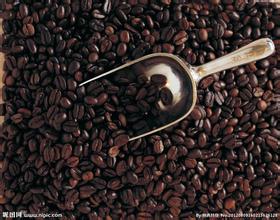
An introduction to Guatemalan coffee beans the origin of Guatemalan coffee beans the characteristics of Guatemalan coffee beans
Coffee production in Guatemala has declined relatively, at 700kg per hectare, while that in El Salvador is 900kg per hectare and that in Costa Rica is even more astonishing, at 1700 kg per hectare. The export of dangerous Dimara coffee is controlled by private companies, but the National Coffee Council (Asociacion Nacional de Cafe) controls the coffee industry.

Introduction to the regional treatment method for the flavor description of Salvadoran coffee beans
In the 19th century, Salvadoran coffee was an important cash crop, and the government legislated to collect taxes and encourage planting and export. although coffee farmers in the country could not get technical or financial assistance, they were excellent among many coffee-producing countries in terms of the growth of production per hectare. The production of coffee

Introduction to the unique and strong flavor and taste characteristics of Costa Rican coffee manor
Coffee was introduced into Costa Rica from Cuba in 1729. Today, its coffee industry is one of the well-organized industries in the world, with a yield of 1700 kg per hectare. Costa Rica has only 3.5 million people but 400m coffee trees, and coffee exports account for 25 per cent of the country's total exports. The volcanic soil of Costa Rica is very fertile and well drained, especially in the central part.

Introduction of flavor and taste characteristics of Salvadoran coffee beans
The country has 10 per cent forest cover, of which more than 80 per cent is natural shaded woodland, which is ideal for the planting of coffee trees (shade grown coffee), which is very important for the Central American ecological corridor (Central American Biological Corridor). But in 1970, a serious coffee leaf rust spot (coffee leaf rust disease) occurred in order to

A brief introduction to the origin, development, history and culture of Tarazhu boutique coffee beans in Costa Rica
Excellent Costa Rican coffee is called extra hard beans, and this kind of coffee can grow at an altitude of more than 1500 meters. Altitude has always been a problem for coffee growers. The higher the altitude, the better the coffee beans, not only because the higher altitude can increase the acidity of the coffee beans and thus increase the flavor, but also because the night temperature at the higher altitude is lower, which can make the trees grow slowly.

A brief introduction to the History and Culture of the Origin and Development of Katim's Fine Coffee beans
Many chopped beans, adzuki beans and bad beans still have a lot of defective beans after drying, so we hand-picked them on the spot and finally left 9 kilograms of qualified beans. By this time, most of the morning has passed, of course, if it is used to make instant coffee or general commercial beans, high-yield catimor is a good choice, but if you want to find Yunnan specialty coffee, then

History and Culture of Coffee in Guatemala
Coffee production in Guatemala has declined relatively, at 700kg per hectare, while that in El Salvador is 900kg per hectare and that in Costa Rica is even more astonishing, at 1700 kg per hectare. The export of dangerous Dimara coffee is controlled by private companies, but the National Coffee Council (Asociacion Nacional de Cafe) controls the rest of the coffee industry.
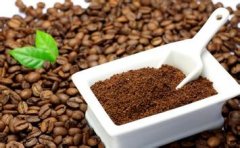
A brief introduction to the treatment method of grinding degree and baking degree of fragrant and mellow Vietnamese fine coffee beans
Vietnam Coffee Corporation (VINACAFE) is a 100% state-owned enterprise with 73 companies and farmers under its jurisdiction.

Introduction to the characteristics of coffee taste producing areas in Guatemala
Coffee production in Guatemala has declined relatively, at 700kg per hectare, while that in El Salvador is 900kg per hectare and that in Costa Rica is even more astonishing, at 1700 kg per hectare. The export of dangerous Dimara coffee is controlled by private companies, but the National Coffee Council (Asociacion Nacional de Cafe) controls the coffee industry.

Flavor Clear Costa Rican Tara Beads Fine Coffee Bean Origin Development History Culture Introduction
The Colombian people say coffee has changed the country and has made a remarkable contribution to its rich environment.Although Colombia ranks third from the bottom in terms of land area in Central America, its economic environment is better than half that of other countries.Because of its rich people and stable society, Costa Rica has more than 30 national parks. Coffee in 1729

Taste characteristics of Costa Rican Coffee Manor with unique strong Flavor
Coffee was introduced into Costa Rica from Cuba in 1729. Today, its coffee industry is one of the well-organized industries in the world, with a yield of 1700 kg per hectare. Costa Rica has only 3.5 million people but 400m coffee trees, and coffee exports account for 25 per cent of the country's total exports. The volcanic soil of Costa Rica is very fertile and well drained, especially in the central part.

Plump grains of Costa Rica Tarazhu boutique coffee beans cultivation geographical location climate elevation
This coffee producer, with all grades and types of coffee, accounts for 1/3 of the world's coffee consumption and occupies a place in the global coffee market, although Costa Rica faces several times more natural disasters than other regions. but it has enough acreage to make up for it. There are many kinds of coffee here, but its industrial policy is large and cheap, so excellent coffee and